Tree Trimming & Pruning: When, Why, and How for Healthy Growth
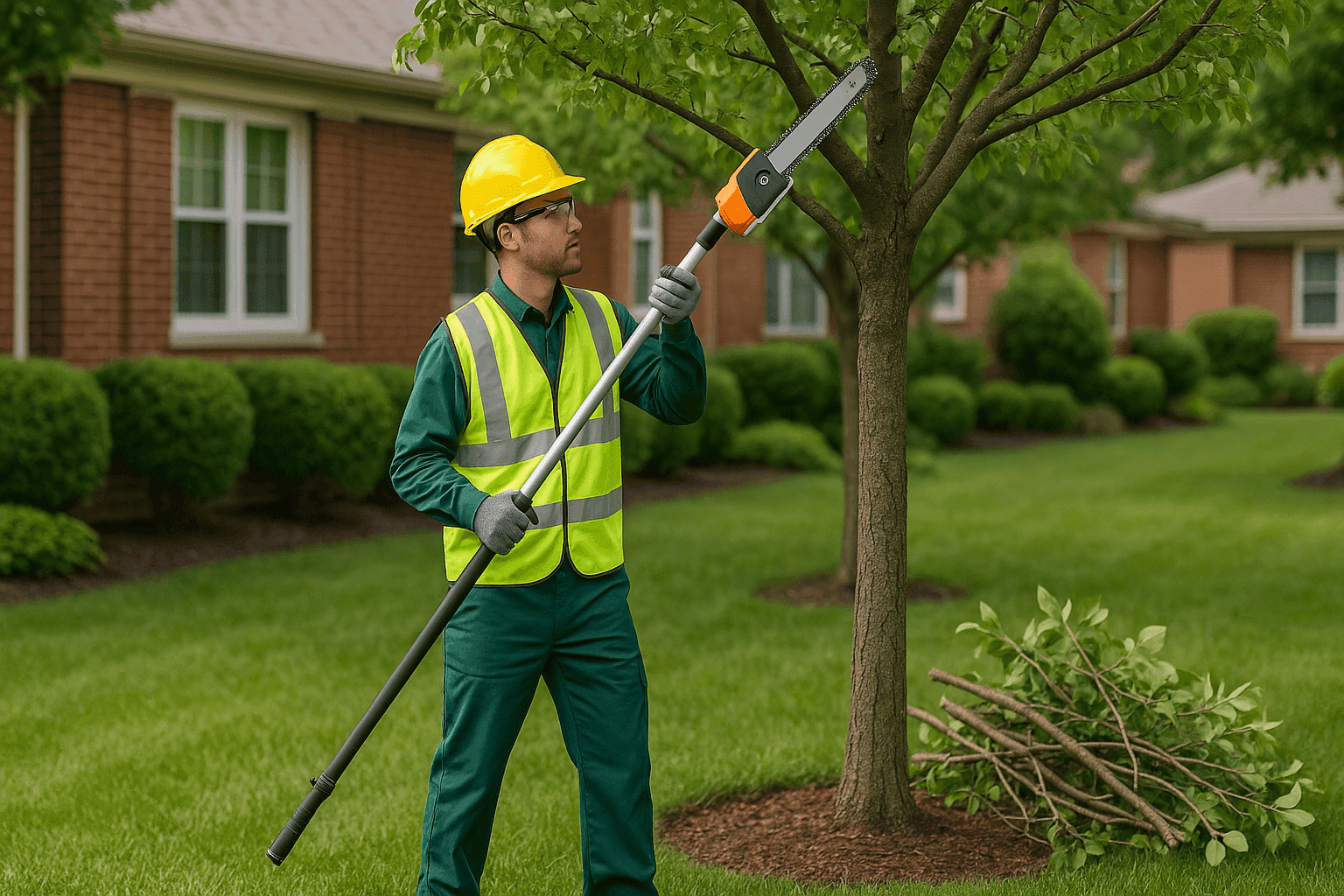
Is your favorite tree looking a little wild these days? Maybe you’ve noticed low-hanging limbs over the driveway, or branches rubbing against your house. It might seem tempting to grab some shears and get to work, but trimming and pruning trees is a bit like giving a haircut that lasts for years. One wrong clip can change the look—and health—of your landscape.
At LAM Landscaping, we see it all: beautiful oaks, stately maples, and fruit trees that just won’t fruit. We know routine tree trimming isn’t just about curb appeal. It’s a matter of safety and long-term plant health. Let’s dig in to the when, why, and how of tree trimming and pruning for residential yards.
Why Trim or Prune Trees? The Real Perks
Tree trimming and pruning are more than a quick tidy for your yard. They’re the difference between a tree that thrives and one that struggles.
- Safety: Dead or weak branches can break off in a storm, risking injury or property damage.
- Health: Removing diseased or crowded limbs lets more sunlight and air reach the tree, reducing the risk of pests and disease.
- Shape & Growth: Strategic cuts help trees grow strong and in the right direction, supporting healthy structure.
- Aesthetics: A well-trimmed tree frames your home like a masterpiece frame around a painting.
The International Society of Arboriculture (ISA) recommends regular pruning for all landscape trees—not just for looks, but for long-term vitality.
Signs Your Tree Needs Pruning ✂️
Not sure if it’s time? Here are the telltale signs:
- Branches rubbing against your roof, siding, or each other
- Dead, cracked, or hanging limbs
- Dense, tangled growth blocking sunlight
- Misshapen or unbalanced canopy
- Fungal growth or insect infestations on branches
- Low branches blocking walkways or play areas
If your tree fits one or more of these, it’s time to plan a trim.
When Is the Best Time to Trim Different Trees?
Just like people, trees have their own preferred schedule for a little grooming.
- Deciduous Trees (oaks, maples, elms): Late winter or very early spring, before leaves return. The tree is dormant, reducing stress and disease risk.
- Flowering Trees: After blooms fade. Prune spring-flowering trees right after they flower; late summer or fall trims can cut off next year’s blossoms.
- Evergreens (pines, spruces): Late winter to early spring is ideal, but minor shaping can be done in midsummer.
- Fruit Trees: Prune in late winter to encourage healthy fruiting and manageable size.
Avoid heavy pruning in late fall. Fresh cuts can leave trees vulnerable as they head into winter.
Quick Safety Checklist Before Pruning
Tree trimming can be risky, especially if branches are high or near power lines. Here’s a safety snapshot:
- Inspect tools for sharpness, cleanliness, and damage
- Wear gloves, safety glasses, and a hard hat if working overhead
- Avoid pruning near utility lines—call your energy provider first
- Use stable ladders on flat ground; never overreach
- Keep children and pets away from the work zone
- Know your limits; call in help for anything above shoulder height
The Tree Care Industry Association (TCIA) recommends never climbing trees with tools unless you’re specially trained.
DIY or Call a Pro? Weighing Your Options
Some light trimming is perfect for a Saturday morning project. But other jobs are best left to the pros:
Safe for DIY:
- Removing small, low branches (smaller than your wrist)
- Light thinning for shrubs or young trees
Call a Professional For:
- Branches near power lines
- Large limbs (over 2 inches thick)
- Trees close to roofs or fences
- Storm-damaged or partially fallen trees
- Signs of disease or pest infestation you can’t identify
Professional landscapers follow the American National Standards Institute (ANSI) A300 pruning guidelines, ensuring cuts support healthy regrowth.
What Do Pros Do When They Arrive?
When you schedule Landscape Maintenance near you, here’s what to expect from a seasoned team:
- Assessment: Survey the tree’s structure, health, and surrounding risks.
- Planning: Choose which branches to remove, focusing on health, safety, and shape.
- Setup: Ropes, ladders, and sometimes aerial lifts are positioned safely.
- Precise Cuts: Clean, angled cuts just outside the branch collar (the swollen area where the branch meets the trunk).
- Cleanup: All debris is removed, leaving your yard clean and tidy.
This process protects both your property and the tree’s long-term health.
Prevention & Maintenance Tips 🌳
A little routine care goes a long way:
- Inspect trees after storms and each season
- Prune young trees to establish a strong central leader (main trunk)
- Mulch around the base to protect roots, but keep mulch away from the trunk
- Water deeply during dry spells
- Watch for early signs of disease: discoloration, leaf loss, odd growths
Regular landscape maintenance keeps issues manageable—think of it like brushing your teeth before problems start.
Costs & Time Factors
Tree trimming costs and timing depend on several things:
- Tree size and type: Big trees take longer and require more equipment.
- Number of branches: More cuts = more time.
- Location: Trees close to buildings, fences, or power lines require extra care and planning.
- Health: Diseased or storm-damaged trees may need extra assessment.
For a small backyard tree, trimming might take an hour or two. Large or complex jobs can take half a day or more. Always ask for a written estimate before work begins.
When It’s an Emergency
Sometimes, waiting isn’t an option:
- Split or dangling limbs after a storm
- Trees leaning suddenly
- Broken branches hung up in the canopy
- Major insect infestations or sudden disease
In these cases, call a professional right away. Emergency tree work can prevent injuries and further damage.
FAQ: Tree Trimming & Pruning
How often should I prune my trees?
Most trees benefit from pruning every 2–5 years, but fast growers or fruit trees may need annual attention.
Can I prune in the summer?
Light shaping is okay, but avoid heavy cuts in the hottest months—trees can become stressed or sunburned.
Will pruning make my tree grow faster?
Strategic pruning encourages healthy growth, but over-pruning can weaken a tree. Less is often more.
What’s the difference between trimming and pruning?
Trimming is usually for aesthetics and size control; pruning is targeted for health, structure, and removing hazards.
Local & Seasonal Considerations
In regions with heavy snow or ice, late fall pruning can prevent winter breakage. In hot, dry climates, late winter or very early spring is safest—this avoids stressing the tree during peak heat.
LAM Landscaping tailors our approach to local weather and species. No two yards are quite alike, and neither are their trees.
Just like your favorite shade tree needs sunlight and water, it needs routine care to stay strong. Whether you’re tackling a small project or have a towering oak in need of attention, proper pruning is the foundation for a safer, more beautiful landscape.
Call LAM Landscaping now — or reach us anytime at 844-484-7306 .