Lawn Care Costs: What Homeowners Should Expect & Budget For
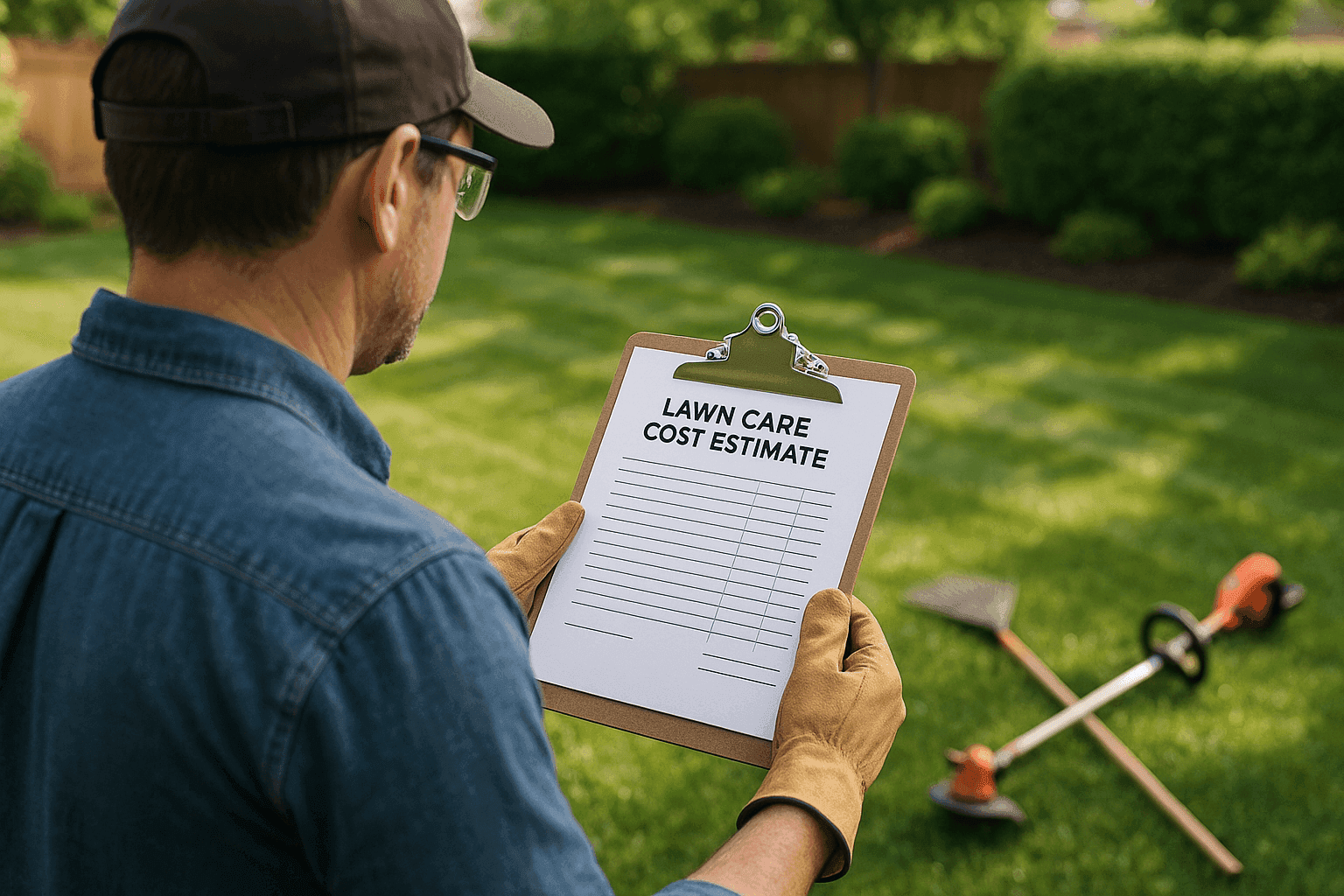
Is your lawn giving you headaches—and surprise expenses? If you’ve ever wondered how much you should budget for landscaping, you’re not alone. Lawn care costs can make even the most prepared homeowner pause. You want your yard to shine, but no one likes a bill that feels like a mystery.
At LAM Landscaping, we’ve walked countless homeowners through these choices. We know what goes into a fair estimate, which costs are must-haves, and how to avoid the kind of shortcuts that leave you with more weeds than grass.
The Real Story Behind Lawn Care Costs
Why does your neighbor pay less—or more—for their landscape maintenance? It’s not just luck. Several factors steer the price of lawn care near you, from the size of your yard to the complexity of your landscaping. Think of it like ordering a pizza: the more toppings (or services) you add, the higher the bill.
Here’s what shapes your costs:
- Yard Size: A postage-stamp lawn? Less time, less money. Expansive grounds? More square footage means more work.
- Service Frequency: Weekly, bi-weekly, or just a seasonal cleanup—regular visits cost less per service but more overall.
- Services Requested: Mowing is basic, but add fertilization, weed control, edging, irrigation, pest control, or leaf removal and costs climb.
- Special Features: Fire pits, play areas, outdoor kitchens, water or lighting features all require extra attention.
No two lawns are identical, and neither are their maintenance needs.
Quick Safety Checklist Before Any Work Starts 🦺
Before the mower roars to life or chemicals touch your grass, safety and code compliance matter. Protect your family, pets, and investment:
- Confirm that all landscape maintenance professionals are insured and trained.
- Ensure any chemical (fertilizer, weed killer) use follows manufacturer and EPA guidelines.
- Keep pets and children clear during and after treatments as recommended by the product label.
- Check that equipment is well-maintained to avoid accidents or property damage.
- For projects like retaining walls or irrigation, verify permits and local code compliance.
Always ask: “Is this being done the right way?”
DIY vs. Call a Pro
Rolling up your sleeves can save money, but it also takes time, know-how, and the right gear. Mowing or light weeding? Many homeowners handle these. But for tasks like irrigation repair, tree pruning, or installing outdoor lighting, professional help saves headaches—and sometimes, hefty repair bills.
DIY Pros:
- Save on labor costs.
- Flexibility on timing.
DIY Cons:
- Hidden costs (equipment, supplies, time).
- Risk of mistakes (improper pruning, over-fertilizing).
- Safety risks, especially with chemicals or power tools.
When to hire a pro:
If it involves specialized equipment, technical skill, or safety risks, professional landscapers are the safer bet.
What Pros Do On Arrival
A seasoned landscape maintenance team doesn’t just “mow and go.” Here’s what you can expect when LAM Landscaping arrives:
- Assess your lawn’s condition and soil health.
- Walk the property to note any problem spots: weeds, pests, drainage, or bare patches.
- Confirm your requested services and flag any issues that could affect results.
- Use professional-grade equipment for efficiency and safety.
- Clean up thoroughly so your property looks better than when we arrived.
Transparency sets apart a reliable lawn care company from the rest.
Prevention & Maintenance: The Key to Lower Costs
A little prevention goes a long way. Think of routine lawn care as an oil change for your car—it keeps everything running smoothly. Skipping it can lead to bigger, pricier problems later.
Smart maintenance includes:
- Regular mowing and edging.
- Timely fertilization (aligned with local climate).
- Annual or bi-annual aeration to keep soil healthy.
- Mulching and leaf removal to prevent mold.
- Pruning trees and hedges before they become hazards.
- Keeping irrigation systems checked and winterized.
The National Association of Landscape Professionals recommends consistent care for the healthiest (and most cost-efficient) lawn.
Costs & Time Factors: What to Expect and Budget
Let’s break down what homeowners typically encounter for landscape maintenance near you. Remember, these are averages—your quote may differ based on your property and local rates.
Yard Size & Complexity
- Small yard (under 5,000 sq ft): Routine mowing and edging may run $30–$60 per visit.
- Medium yard (5,000–10,000 sq ft): $50–$100 per service.
- Large yard (over 10,000 sq ft): $100–$200+, especially with slopes, beds, or lots of trees.
Common Services & Price Ranges
- Mowing, Edging, Blowing: $30–$80 per visit
- Fertilization: $40–$120 per treatment
- Weed Control: $40–$100 per application
- Aeration: $80–$200 per service (once or twice a year)
- Leaf Removal: $75–$200 per session, depending on volume
- Hedge & Tree Pruning: $50–$500+, based on size and number
- Seasonal Cleanups: $200–$500, factoring in debris, beds, and shrubs
- Irrigation System Service: $75–$250 for routine maintenance
These numbers are based on data from HomeAdvisor, the National Association of Landscape Professionals, and our own experience.
Variables That Affect Cost
- Seasonality: Spring and fall see surges in demand—prices may be higher.
- Special Equipment: Aerators, stump grinders, or specialty mowers cost more to operate.
- Travel/Access: Hard-to-reach yards or those with poor access can bump up the price.
- Materials: Premium mulch, eco-friendly fertilizers, or custom stonework add to material costs.
Red Flags With Lowball Estimates
If a quote sounds too good to be true, it probably is. Watch for:
- No proof of insurance or licensing.
- Vague service descriptions (“We’ll tidy up your yard!”).
- No written estimate or contract.
- Pressure to pay up front, in cash.
Reliable landscaping pros are upfront about what’s included, and why.
When It’s an Emergency
Storm blew down a tree? Sprinkler geyser flooding your lawn? Some problems can’t wait. Emergency landscaping costs tend to be higher—think after-hours rates, rush fees, and possible repairs to property or irrigation.
Be ready by knowing who you’ll call before trouble strikes. And always check that your provider has the equipment and experience to handle urgent repairs safely.
FAQ: Lawn Care Costs & Planning
How often should I have my lawn serviced?
For most residential properties, weekly or bi-weekly visits keep things tidy. Seasonal cleanups (spring, fall) are also common.
Can I just pay for mowing and skip everything else?
You can, but skipping fertilization, weed control, and aeration can lead to patchy grass, more weeds, and higher costs down the line.
Why did my quote change after the first visit?
Sometimes, hidden issues (like poor soil, pest damage, or irrigation leaks) are only visible after the first service. Reputable landscapers will explain any adjustments.
Is lawn care worth the investment?
A well-kept yard boosts curb appeal and property value. Plus, it keeps your outdoor spaces healthy, safe, and ready for relaxation.
Local & Seasonal Considerations 🌱
Lawn care isn’t one-size-fits-all. Local climate, soil conditions, and weather extremes all impact what your landscape needs—and when. In our region, spring and fall are peak seasons for cleanups, leaf removal, and mulching. Summer brings irrigation and pest control challenges. Winter? Snow removal and preparation for next year’s growth.
Check with local extension offices or the National Association of Landscape Professionals for region-specific guidance.
Ready to get a clear, honest quote for your lawn?
Call LAM Landscaping now — or reach us anytime at 844-484-7306 .