Landscape Maintenance Checklist: Year-Round Guide for Homeowners
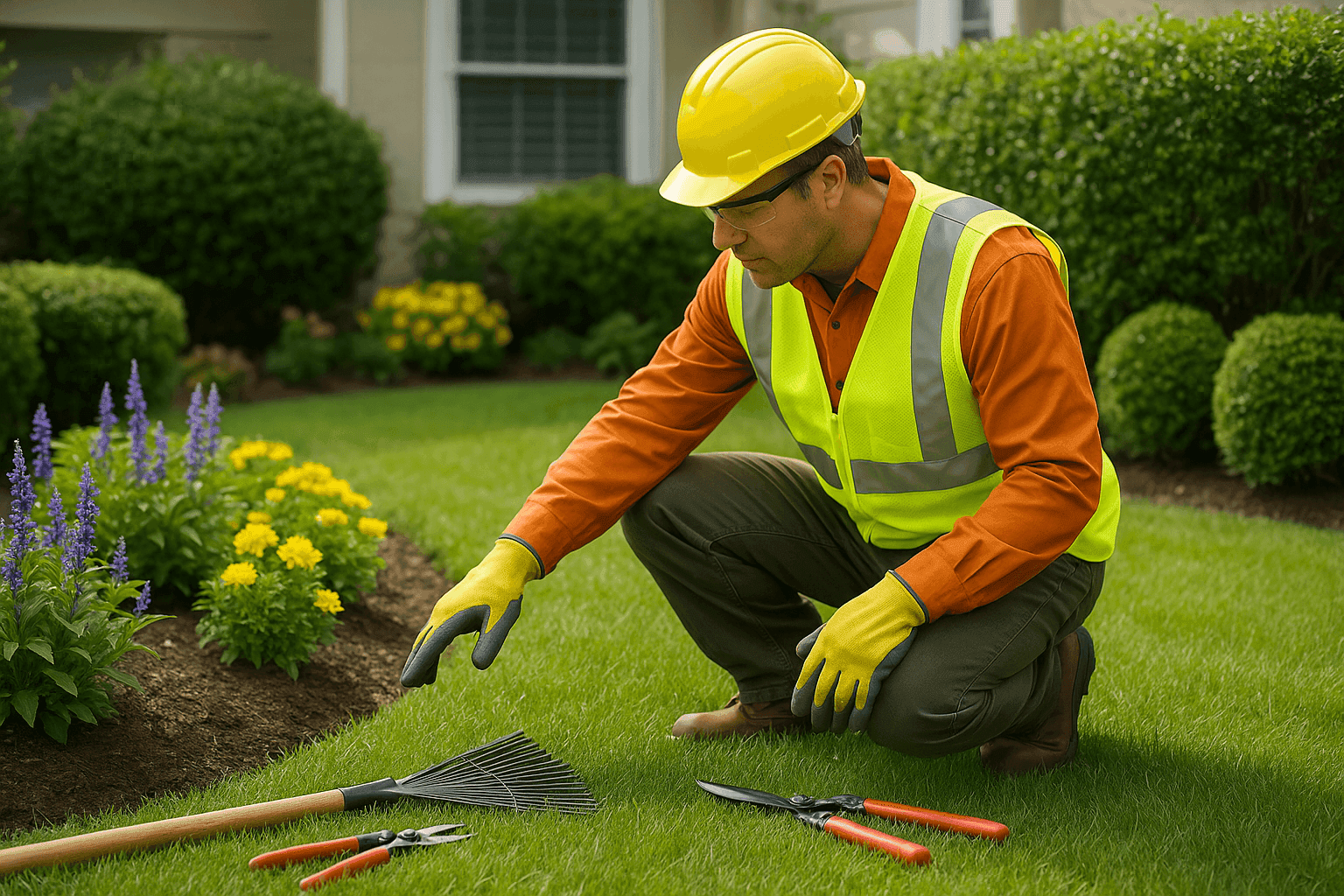
Maintaining a beautiful yard isn’t just about looks—it’s about protecting your investment and creating a space you love. Yet, it can feel overwhelming knowing what to do and when. Plants don’t wait, and neither do weeds or pests. But with a clear checklist, you can stay ahead, prevent problems, and enjoy a thriving landscape all year.
At LAM Landscaping, we help homeowners turn outdoor spaces into healthy, inviting retreats. Our approach is rooted in real horticulture science and everyday experience. Let’s break down what matters most—season by season.
Why Landscape Maintenance Matters
A healthy landscape is like a well-oiled machine—every part needs regular attention. Skip a few steps and things break down. Lawns thin out. Hedges get wild. Pests and diseases creep in. Routine care is the key to curb appeal and peace of mind.
Neglect can turn small problems into costly repairs. Cracked walkways, overgrown trees, or dead patches of grass don’t happen overnight. They build up when maintenance slips. That’s why following a steady routine isn’t just smart—it’s essential.
Quick Safety Checklist 🛠️
Before you dig in, set yourself up for success:
- Wear sturdy gloves and closed-toe shoes.
- Use safety goggles for trimming, edging, and blowing.
- Follow local noise and disposal ordinances (check your city’s code).
- Keep tools sharp and clean—dull blades hurt plants and you.
- Never prune trees or shrubs near power lines; call a professional.
- Store fertilizers and pesticides out of reach of children and pets.
DIY vs. Call a Pro
Some tasks are perfect for hands-on homeowners. Others need the know-how and equipment only trained crews have. Here’s how to tell:
DIY-friendly:
- Leaf raking and garden bed cleanup
- Light hedge or shrub trimming
- Basic mulching and weeding
- Watering and basic irrigation checks
- Lawn mowing and edging
Call a professional for:
- Tree pruning, especially large limbs
- Irrigation system repairs or upgrades
- Hardscape installation (walkways, patios, retaining walls)
- Pest control beyond simple spot treatments
- Soil testing and major fertilization
- Outdoor lighting, fire pits, and water feature installation
When in doubt, safety and results are what matter most.
What Pros Do On Arrival
A professional landscaper does more than mow and blow. Here’s what you can expect from a reputable team like LAM Landscaping:
- Assess the full property for risks, damage, and plant health
- Check soil moisture and drainage
- Prune shrubs, trees, and perennials following ANSI A300 standards
- Inspect and adjust irrigation systems
- Apply weed and pest controls as needed, per label and local regulation
- Refresh mulch and tidy up garden beds
- Test and adjust outdoor lighting
- Remove debris, leaves, and fallen branches
- Document plant health and recommend seasonal improvements
We don’t just make your yard look good. We help it thrive.
Prevention & Maintenance: Seasonal Checklist
Every season has its rhythm. Think of your yard as a living calendar—each month brings new priorities.
Spring: Wake-Up Call
- Lawn care: Rake debris, aerate if needed, apply pre-emergent weed control.
- Fertilization: Use slow-release fertilizer after the last frost.
- Pruning: Cut back deadwood and shape shrubs before new growth.
- Mulching: Top off garden beds (2–3 inches deep, not against stems).
- Irrigation: Test sprinklers, fix leaks, adjust for spring rains.
- Pest inspection: Look for early signs of insects or fungus.
- Garden beds: Edge borders, plant new perennials, refresh annuals.
- Outdoor lighting: Check bulbs and wiring after winter.
Summer: Growth & Vigilance ☀️
- Mowing: Keep grass 3–4 inches tall to shade roots.
- Watering: Deep soak early morning; adjust for heat and rainfall.
- Weed control: Hand-pull after rain or use targeted treatments.
- Pest management: Monitor for grubs, aphids, mites—treat only as needed.
- Hedge & tree trimming: Light pruning to maintain shape, never in extreme heat.
- Garden bed maintenance: Deadhead flowers, stake tall plants.
- Irrigation: Inspect for dry spots or overwatering.
- Play areas: Check for hazards and refresh mulch.
Fall: Prepare for Rest
- Leaf removal: Rake or mulch fallen leaves—compost where possible.
- Last mowing: Cut grass a bit shorter before winter.
- Fertilization: Apply fall formula for root strength.
- Pruning: Tidy most shrubs, but hold off on spring bloomers.
- Bulbs: Plant spring-flowering bulbs before ground freezes.
- Mulching: Add extra layer to protect roots.
- Lawn care: Overseed bare spots.
- Irrigation: Blow out lines before hard frost.
Winter: Protect & Plan ❄️
- Snow removal: Keep walkways, patios, and driveways clear and safe.
- Branch care: Knock snow from vulnerable shrubs (gently).
- Inspect hardscapes: Look for cracks or frost heave.
- Plan upgrades: Research new features, like fire pits or seating areas.
- Tool care: Clean, sharpen, and store equipment.
- Monitor for pests: Mice and voles can move in—check mulch and structures.
- Outdoor lighting: Test and adjust for long nights.
Costs & Time Factors
Landscape maintenance is an investment—time, money, and energy. Simple jobs like mowing or leaf cleanup can take an hour or two a week. Seasonal cleanups and pruning take longer.
- DIY: Supplies like mulch, fertilizer, or hand tools cost $50–$200 per season, depending on yard size.
- Professional services: Time and cost vary by service and property size. Expect more for tree work, irrigation, or hardscape repairs.
- Hidden savings: Regular care prevents expensive fixes—think cracked patios, toppled trees, or pest outbreaks.
Planning ahead helps keep costs steady and avoids surprise headaches.
When It’s an Emergency
Not every landscaping issue can wait. Call for help if you notice:
- Downed trees or large limbs after storms
- Water pooling near foundations or walkways
- Sudden, severe pest infestations (bees, wasps, termites)
- Broken irrigation lines flooding your yard
- Snow or ice making entryways unsafe
Quick action protects your property and keeps everyone safe.
FAQ
How often should I water my lawn and garden?
Most lawns need 1–1.5 inches of water per week, including rainfall. Gardens vary—check soil moisture before watering. Early morning is best to prevent disease.
Is mulching every year necessary?
Yes. Mulch breaks down, feeds soil, and suppresses weeds. Refresh each spring or fall—2 to 3 inches is ideal.
Can I prune trees anytime?
No. Late winter or early spring is safest for most trees. Avoid heavy pruning in summer or fall unless removing hazards.
How do I know if my soil is healthy?
Test soil every 2–3 years. Look for rich color, crumbly texture, and earthworm activity. LAM Landscaping can perform professional soil testing for best results.
Local & Seasonal Considerations 🌱
Every region is different. In colder climates, snow removal and winter prep are urgent. In warmer areas, drought and pest control take center stage. Follow local extension office guidelines—like those from your state’s Cooperative Extension—for planting dates and pest alerts.
Adapt your maintenance schedule for your climate, soil type, and landscape features. Some plants need more TLC in heat, others in cold. Adjust irrigation and fertilization for local rainfall and temperature swings.
If you’re unsure, ask a landscaping professional near you. They know how to tailor care for your specific yard.
Ready to enjoy a landscape that looks great all year—without the stress?
Call LAM Landscaping now — or reach us anytime at 844-484-7306 .