Seasonal Yard Cleanup: Essential Steps Before and After Major Storms
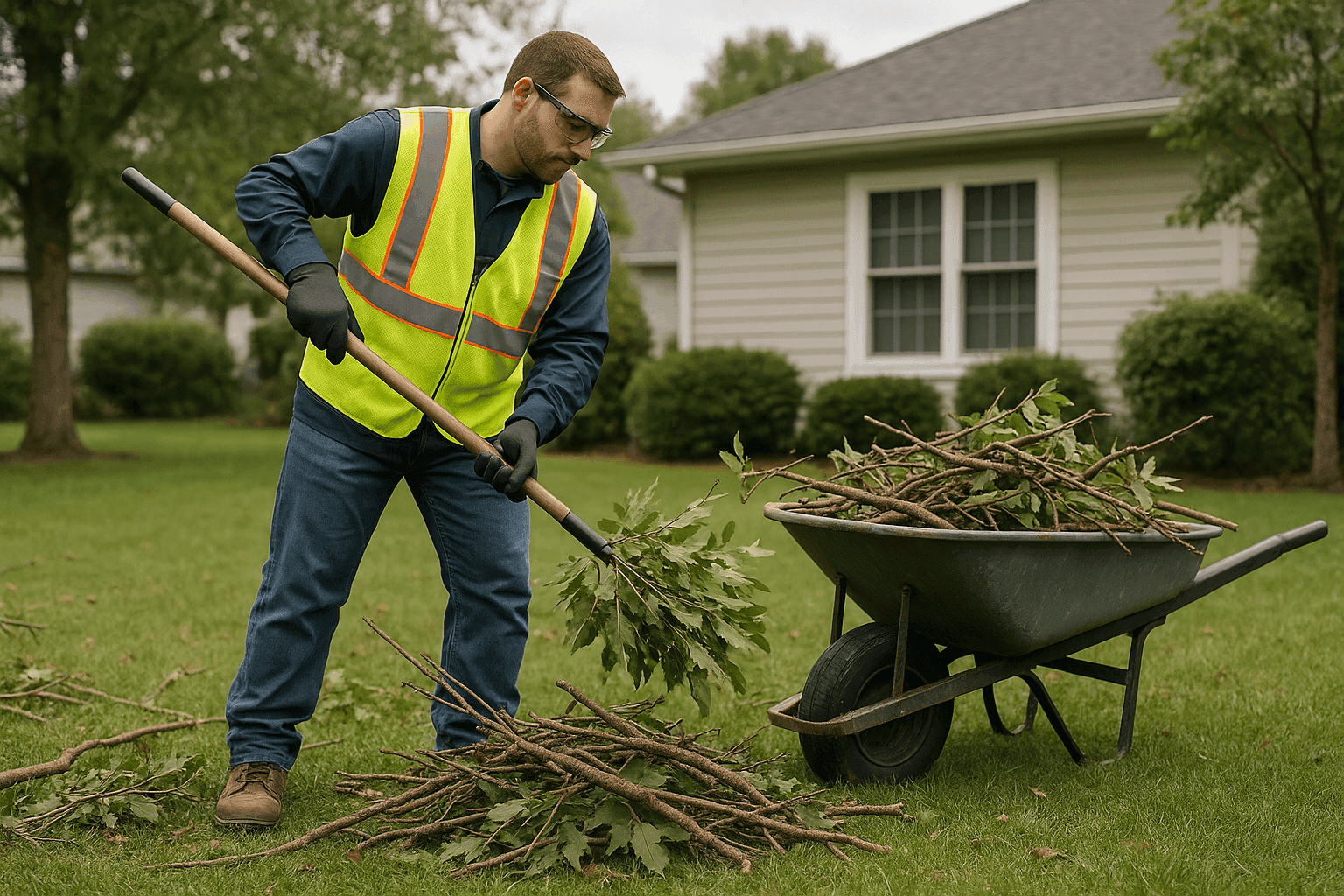
Storms don’t wait for a convenient time. Heavy winds, driving rain, or even a sudden freeze can turn your peaceful yard into a maze of branches, water, and unexpected hazards. Homeowners know: it’s not just about cleaning up—it’s about protecting your family, your investment, and your peace of mind.
At LAM Landscaping, we’ve seen it all. From toppled trees to flooded garden beds, yard recovery is as much about preparation as it is about action. Here’s what every homeowner should know about storm prep and cleanup—so your landscape bounces back greener and stronger.
The Storm Scenario: Why Every Yard Needs a Plan
Picture your backyard on a sunny afternoon. Now imagine it the morning after a major storm: debris scattered, branches snapped, puddles where flower beds used to be. It’s overwhelming, and it happens fast.
Storms throw curveballs—fallen limbs, compacted soil, clogged drains, even surprise pest invasions. Each problem brings its own risks. But with a clear plan, you can prevent small issues from turning into expensive repairs or safety hazards.
Quick Safety Checklist 🛑
Before you grab a rake or shovel, stop. Safety comes first. Follow these steps after any major storm:
- Look Up Before Entering. Scan for hanging branches (“widowmakers”) or leaning trees.
- Check for Downed Power Lines. Never approach or touch. Call your utility provider immediately.
- Wear Protective Gear. Gloves, sturdy boots, and eye protection are non-negotiable.
- Watch for Slippery or Unstable Ground. Flooded lawns and loose soil can hide hazards.
- Be Aware of Wildlife. Displaced animals or insects may take shelter in debris piles.
The National Safety Council and local fire departments recommend waiting for daylight to inspect damage and avoiding any electrical hazards.
DIY or Call a Pro? Knowing Your Limits
Some yard cleanup tasks are safe to tackle on your own. Others demand trained hands and the right tools. Here’s how to tell the difference:
DIY-Friendly Tasks
- Raking leaves and small debris
- Light pruning of shrubs or small branches (under 2” diameter)
- Clearing gutters and downspouts (with stable footing)
- Checking and unclogging minor drains
Call a Pro For:
- Large fallen branches or trees
- Damaged structures (retaining walls, patios, outdoor kitchens)
- Electrical or irrigation system issues
- Significant water pooling or erosion
- Pest infestations (wasps, rodents, etc.)
Remember, the Occupational Safety and Health Administration (OSHA) sets clear guidelines: never use chainsaws or heavy equipment without training. When in doubt, reach out to a provider of Landscape Maintenance near you.
What Landscaping Pros Do On Arrival
When LAM Landscaping arrives for a storm cleanup, our team brings more than tools—we bring a process.
Step-by-Step Professional Approach
- Assessment: Walk the property to identify hazards, including unstable trees, downed wires, and compromised structures.
- Debris Removal: Remove large branches, leaves, and litter. Prioritize walkways, driveways, and play areas.
- Tree Trimming & Pruning: Cut damaged limbs safely, reducing risk of disease or further breakage.
- Drainage Check: Inspect for standing water in garden beds, lawns, or near foundations.
- Soil Testing: Check for compaction and nutrient loss; recommend aeration or fertilization if needed.
- Pest and Mold Prevention: Remove wet mulch or organic debris to discourage insects and fungi.
- Structural Review: Examine retaining walls, patios, and outdoor kitchens for cracks or instability.
We follow guidelines from the International Society of Arboriculture (ISA) and local building codes for safety and best practices.
Prevention & Maintenance: Getting Ahead of the Next Storm 🌱
A little prep now saves big headaches later. Here’s how to storm-proof your landscape:
- Keep Trees Trimmed: Regular pruning reduces limb loss and wind damage.
- Install Proper Drainage: French drains, swales, and rain gardens help redirect water away from your home and beds.
- Maintain Healthy Soil: Aerate and fertilize to promote deep roots—strong roots mean stable trees.
- Clean Gutters and Downspouts: Prevent water from backing up and flooding beds.
- Check Outdoor Lighting & Electrical: Use weatherproof fixtures and keep wires above ground.
- Secure Outdoor Furniture: Move grills, chairs, and décor indoors ahead of storms.
Consult the American Society of Landscape Architects (ASLA) for more tips on sustainable stormwater management.
Costs & Time Factors: What to Expect
Yard cleanup costs and time depend on the size of your property, the severity of the storm, and the type of damage. Here’s what typically affects the bill:
- Debris Volume: More debris means more labor and disposal fees.
- Tree Damage: Large tree removal is complex and may require permits.
- Structural Repairs: Fixing patios, walkways, or retaining walls adds to cost.
- Pest Control: Treating for insects or rodents can be an extra step.
Most simple cleanups take a few hours. Major storm recovery may stretch over several days, especially if heavy equipment or specialty repairs are needed.
When It’s an Emergency 🚨
Some situations need immediate action. Don’t wait if you notice:
- Downed power lines or sparking electrical systems
- Trees leaning dangerously toward your home, driveway, or play areas
- Flooding near foundations or inside basements
- Gas smells or visible pipe breaks
Call emergency services and utility providers first, then reach out to a professional landscaping team. Your safety always comes before the yard.
FAQ: Common Storm Cleanup Questions
How soon should I start cleanup after a storm?
Wait until it’s safe—after winds die down and power lines are cleared. Early action prevents mold, pests, and further damage, but never risk your safety for speed.
What should I do with all the yard debris?
Bag small materials for municipal pickup. Larger branches or limbs may need professional hauling. Composting is an option if debris is disease-free.
Can compacted soil fix itself after heavy rain?
Not always. Walking on wet soil makes compaction worse. Aeration and topdressing may be needed to revive healthy roots and lawn growth.
Should I fertilize after a storm?
Only after checking soil health. Heavy rains can wash away nutrients, but over-fertilizing can harm new growth. Soil tests give clear answers.
Local & Seasonal Considerations for Your Landscape
Storm threats vary by season. In spring and summer, thunderstorms bring wind and flooding. Fall means leaf buildup and clogged drains. Winter storms create ice damage and snow piles that stress trees and shrubs.
LAM Landscaping adapts our approach to your yard’s needs—whether you need snow removal, seasonal cleanups, or a full landscape renovation after a major event.
A healthy yard weathers any storm with the right care. For safe, thorough cleanup—or to plan ahead for the next big blow—Call LAM Landscaping now — or reach us anytime at 844-484-7306 .