Pest-Proof Your Yard: Preventing Insect and Animal Damage to Your Landscape
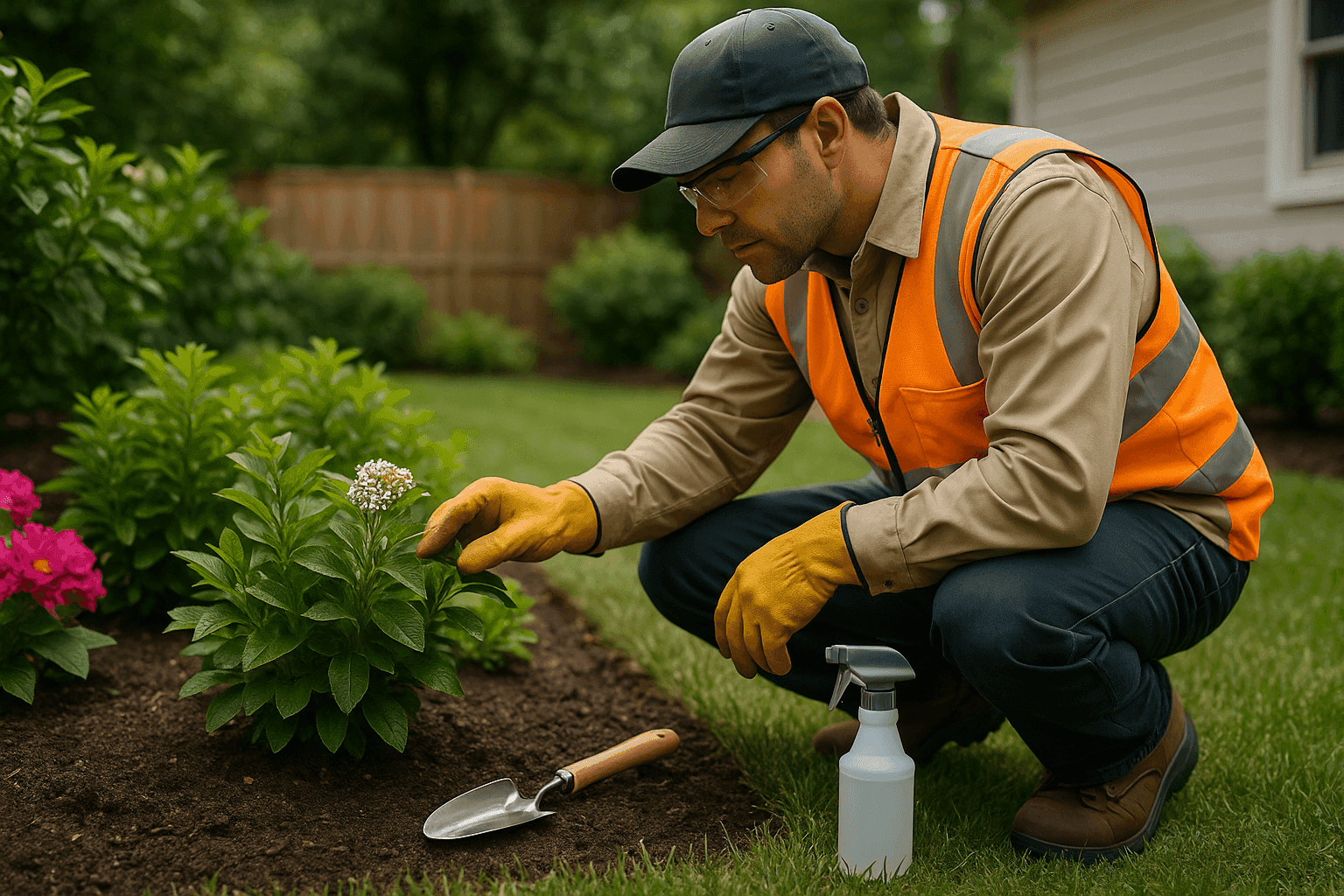
Is your yard under siege? You’re not alone. Homeowners everywhere know the frustration of waking up to chewed leaves, dug-up flower beds, and the silent march of pests through their landscaping. At LAM Landscaping, we see the aftermath every season—patchy lawns, damaged trees, and gardens that never quite bloom the way they should.
Ignoring pest problems is like letting a leaky faucet drip. The damage starts small, but left unchecked, it can flood your landscape with costly headaches. With a few smart strategies, you can stop insects and animals from turning your slice of paradise into their next meal.
The Usual Suspects: Common Yard Pests
Your yard is a magnet. It draws more than just friends and family. Insects, rodents, and wildlife all see opportunity in your landscape. Each group brings its own kind of trouble.
Insects: Tiny But Mighty
Aphids, Japanese beetles, grubs, and ants. These little critters can turn lush plants into skeletons. Grubs chew on grass roots, creating brown patches. Aphids sap the life from roses and vegetables. Even ants, seemingly harmless, can farm aphids or invade patios.
Rodents: Small, Sneaky, Destructive
Mice and voles tunnel under lawns, gnawing at roots. Squirrels dig to bury nuts, sometimes pulling up young plants by accident. Rabbits munch on tender shoots, leaving sharp, clean cuts behind.
Wildlife: Big Appetite, Big Mess
Deer, raccoons, and even the occasional groundhog. Deer browse on shrubs and hostas like it's a buffet. Raccoons scatter mulch and raid gardens. Groundhogs dig deep, leaving ankle-twisting holes.
Signs of Infestation: What to Watch For
How do you know if pests are at work? The evidence is often right under your nose—or your feet.
- Chewed leaves or flowers: Ragged or skeletonized leaves are a red flag.
- Wilting or dead patches of grass: Grubs or underground pests could be at fault.
- Holes or tunnels: Look for small holes in soil or raised runs in lawns.
- Droppings or tracks: Animal scat, footprints, or fur snagged on fences.
- Damaged bark or stems: Gnaw marks at the base of trees and shrubs.
- Sudden plant decline: Healthy plants that suddenly wilt or yellow.
These clues are the whispers your landscape sends when something’s not right. Listen closely.
Quick Safety Checklist for Home Pest Control 🛡️
Before you tackle pests, keep safety front and center—especially with kids and pets around.
- Store all pesticides and lawn products out of children’s reach.
- Use only products labeled for residential landscaping.
- Wear gloves, closed-toe shoes, and eye protection.
- Never apply chemicals on windy days or near water sources.
- Read and follow label directions—every time.
- Remove toys, pet bowls, and garden tools from treated areas.
- Wash hands and change clothes after handling any treatment.
When in doubt, less is more. Choose the safest path for your family and the environment.
DIY or Call a Pro? How to Decide
Rolling up your sleeves can save money, but some battles aren’t worth fighting alone. Here’s how to decide:
Tackle It Yourself If:
- The problem is small: a few chewed leaves, a single ant trail.
- You can clearly identify the pest.
- You’re using non-toxic, child- and pet-safe solutions (like soapy water for aphids or mulch barriers for slugs).
- No signs of infestation inside your home.
Call LAM Landscaping or a Professional When:
- Damage is spreading fast.
- You spot multiple pest types or can’t identify them.
- Large trees, shrubs, or lawns are affected.
- Wildlife is involved (deer, raccoons, groundhogs).
- You’ve tried DIY solutions and the problem persists.
Pest control pros have training in integrated pest management (IPM)—a holistic approach that combines prevention, monitoring, and targeted treatments. According to the Environmental Protection Agency (EPA), IPM reduces chemical use and keeps landscapes safe for people and pets.
What Pros Do On Arrival
Professional landscapers don’t just show up with a spray bottle. Here’s what really happens:
- Inspection: A thorough walkthrough, looking for pest signs and vulnerable areas—mulch beds, play areas, under decks.
- Identification: Pinpointing exactly which pest is at work.
- Assessment: Measuring the extent of the damage and identifying what’s attracting the pests.
- Action Plan: Recommending the safest, most effective solution—often starting with non-chemical steps.
- Treatment: Applying targeted, EPA-approved solutions as needed.
- Follow-up: Checking back to ensure pests are gone and no new problems have cropped up.
The goal? Long-term control, not just a quick fix.
Prevention & Maintenance: The Heart of Pest-Proof Landscaping 🌱
An ounce of prevention beats a pound of cure. Here’s how to stop pests before they start:
Barriers and Physical Deterrents
- Mulch and gravel: Deter slugs and beetles.
- Wire mesh or fencing: Keep out rabbits, groundhogs, and deer.
- Row covers: Protect vegetable gardens from flying insects.
Habitat Modification
- Remove standing water to prevent mosquito breeding.
- Prune dense shrubs and trim grass to reduce hiding places.
- Store firewood away from the house and off the ground.
- Seal gaps under decks, patios, and sheds.
Safe Treatments
- Neem oil or insecticidal soap for soft-bodied insects.
- Diatomaceous earth for crawling pests (use food-grade only).
- Companion planting: Marigolds and garlic can repel pests naturally.
- Bacillus thuringiensis (Bt): Safe for vegetable gardens, targets caterpillars.
Regular Landscape Maintenance
- Schedule seasonal cleanups to remove debris and fallen leaves.
- Keep garden beds weeded and mulch fresh.
- Trim hedges and overgrown branches.
- Test and amend soil to promote plant health.
The National Association of Landscape Professionals recommends a layered approach—combining physical, biological, and cultural controls for best results.
Costs & Time Factors: What to Expect
Pest-proofing your yard isn’t a one-and-done job. Costs and timelines depend on the problem and the size of your landscape.
- DIY supplies: Can range from a few dollars for traps to $50–$200 for organic sprays and barriers.
- Professional treatments: Typically range from a single visit to several follow-ups over a season.
- Ongoing maintenance: Year-round landscape maintenance near you prevents recurring issues and can be bundled with other services like hedge trimming or garden bed cleanup.
The most expensive pest problem? The one that’s ignored. Early action keeps costs—and headaches—down.
When It’s an Emergency 🚨
Sometimes, waiting isn’t an option.
- Large wildlife (deer inside the yard, raccoons in attics).
- Sudden, widespread death of plants or turf.
- Active nests of wasps or hornets near play areas.
- Damage threatening home foundations or hardscaping.
For these urgent scenarios, call a professional right away—not just for landscaping, but for your peace of mind and safety.
FAQ: Yard Pest Control
How do I know if my yard has a pest problem or just needs more water?
Look for patterns. Pests often cause irregular damage—chewed or missing leaves, patches of dead grass with visible grubs, or gnaw marks. Drought stress usually affects plants more evenly, with overall wilting. When in doubt, dig a little and look for signs.
Are eco-friendly solutions really effective?
Yes, when used correctly. Products like neem oil, insecticidal soap, and diatomaceous earth target pests without harming pollinators, pets, or kids. The key is regular application and combining methods—don’t rely on just one trick.
How can I keep pests out of my play area?
Choose non-toxic methods. Keep grass trimmed, remove standing water, and use child-safe barriers around sandboxes or swing sets. Avoid spraying chemicals where kids and pets play.
Do I need to treat my yard every year?
It depends on your local pest pressure and how well your landscape is maintained. Most yards benefit from annual inspections and seasonal cleanups to prevent buildup and spot problems early.
Local & Seasonal Considerations
Pest problems change with the seasons. Spring brings hungry insects and emerging rodents. Summer means more wildlife activity. Fall is prime time for grubs and burrowing animals. Winter often drives critters closer to homes in search of warmth.
If you have new plantings, a recent landscape renovation, or live near woods or water, your risk increases. Schedule soil testing and regular inspections with a reputable landscape maintenance team near you.
Regulations vary by state and locality. Always follow local codes for pesticide use and wildlife removal. The U.S. Department of Agriculture (USDA) and your local Cooperative Extension Office are good sources for up-to-date guidelines.
Keeping pests from turning your dream yard into a battleground isn’t just about fighting back—it’s about building a landscape that’s healthy, balanced, and beautiful all year long. Ready to pest-proof your yard the smart, safe way?
Call LAM Landscaping now — or reach us anytime at 844-484-7306 .