Emergency Landscaping: How to Protect Your Yard Before and After Severe Weather
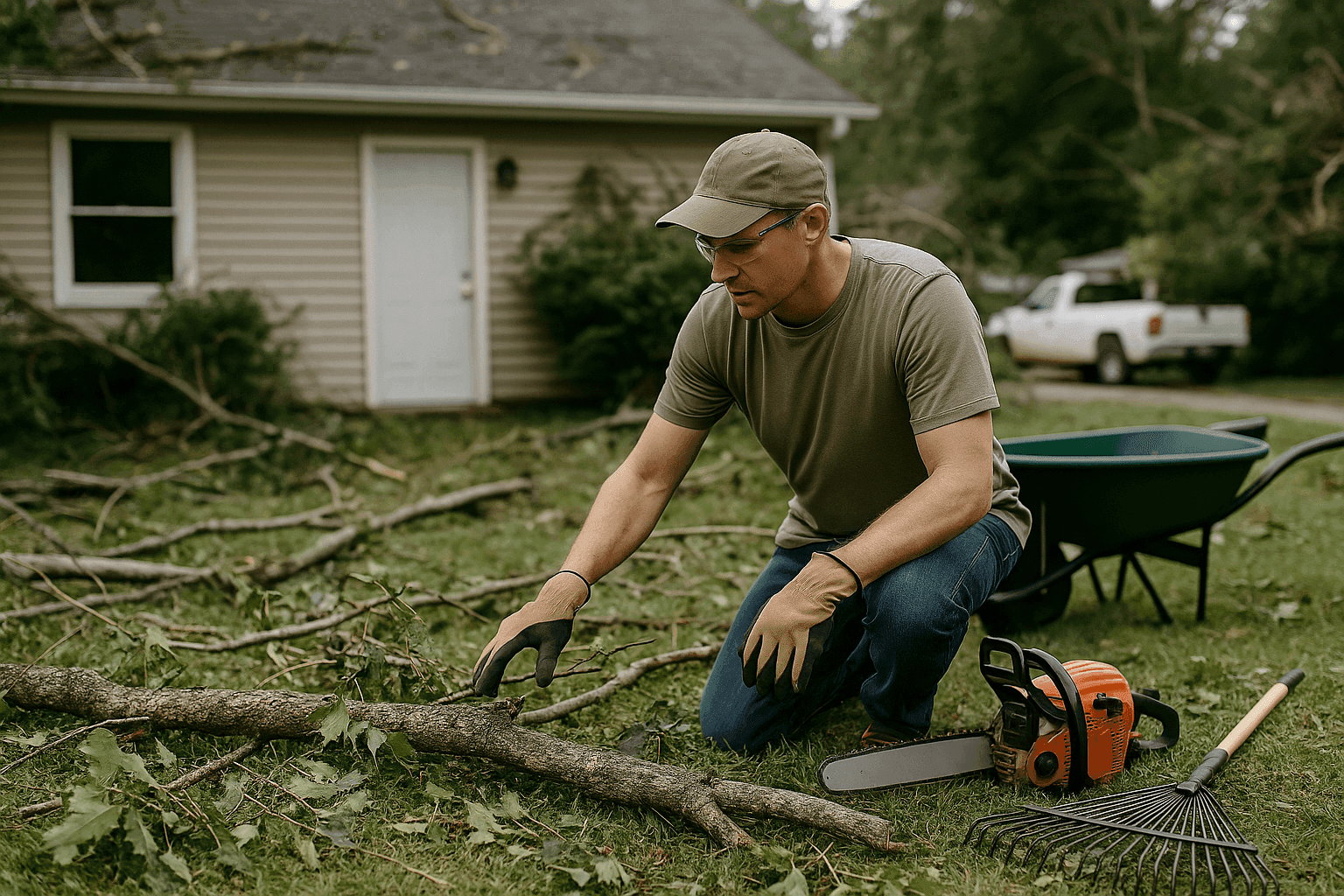
When severe weather is on the horizon, your yard can feel like a sitting duck. One minute, it’s your peaceful retreat; the next, it’s a mess of broken branches and soggy turf. If you’re a homeowner or small business owner, you know how quickly storms, heavy rain, wind, or freezes can turn your outdoor haven upside down.
At LAM Landscaping, we’ve seen the aftermath—and the difference a little preparation can make. Emergency landscaping is about more than cleaning up after the fact. It’s about protecting what you’ve built, so your yard bounces back faster and costs stay down.
Why Severe Weather Puts Yards at Risk 🌩️
Storms don’t play favorites. High winds snap tree limbs like toothpicks. Heavy rain floods garden beds and drowns roots. Sudden freezes turn irrigation pipes into icy time bombs. Even a quick thunderstorm can scatter debris and topple patio furniture.
The real trouble? Small problems can turn into big headaches fast. A cracked limb today can become a fallen tree tomorrow. A flooded garden can breed pests and disease. That’s why emergency landscaping isn’t just a service—it’s a lifeline for your outdoor investment.
Quick Safety Checklist: Before and After the Storm
Before the weather hits, and right after, safety comes first. Here’s how to keep your property—and yourself—out of harm’s way:
- Prune weak or overhanging branches: Remove anything that could fall or break.
- Secure or store outdoor furniture: Tie down or bring inside chairs, grills, and planters.
- Check irrigation systems: Shut off and drain lines before a freeze to prevent burst pipes.
- Clear gutters and drains: Prevent water from pooling near foundations or flooding garden beds.
- Turn off outdoor electricity: Unplug lighting and water features to avoid electrical hazards.
- Wear gloves and sturdy boots: Protect yourself from sharp debris and slippery surfaces.
- Avoid downed power lines: Always call utility services if you see wires on the ground.
Safety guidelines from the Occupational Safety and Health Administration (OSHA) recommend treating all fallen wires as live and using proper lifting techniques to avoid injury.
Emergency Landscaping: DIY or Call a Pro?
Some tasks you can tackle with a rake and determination. Others demand specialized tools and know-how.
DIY is possible for:
- Raking leaves and picking up small branches.
- Sweeping patios and walkways.
- Covering delicate plants with burlap or frost cloth.
Call LAM Landscaping if you notice:
- Large, hanging limbs or split trunks.
- Flooded lawns or standing water that won’t drain.
- Uprooted trees or damaged retaining walls.
- Exposed roots or soil erosion.
- Broken irrigation or electrical systems.
- Signs of pest infestation (chewed leaves, unusual holes, sudden wilting).
Remember, what looks simple can be risky. Tree work and structural repairs are best left to professionals with the right equipment and insurance.
What Emergency Landscaping Pros Do On Arrival
When you call LAM Landscaping for emergency landscaping, here’s what happens next:
1. Immediate Safety Assessment
We walk your property and look for hazards—unstable trees, loose branches, damaged patios, or electrical risks. If anything’s dangerous, we mark it off and plan for safe removal.
2. Debris Removal
Our team clears fallen branches, leaves, and other debris. We use heavy-duty tools and follow EPA guidelines for safe disposal, especially if pests or mold are present.
3. Damage Assessment
We inspect trees, shrubs, garden beds, irrigation systems, and hardscaping. Some injuries are obvious (snapped limbs, broken pipes), but others—like root damage or soil compaction—require a trained eye.
4. Emergency Repairs
We stabilize trees, patch up irrigation leaks, and shore up retaining walls or walkways. Quick fixes prevent further damage and keep your yard safe.
5. Pest and Disease Control
Storms often invite unwanted guests. We watch for early signs of pests or fungal infections and treat as needed, using products that meet EPA standards.
6. Recommendations for Recovery
You’ll get a clear plan for next steps—whether it’s pruning, replanting, fertilizing, or ongoing monitoring.
Prevention & Maintenance: The Best Defense
Think of emergency landscaping like a seatbelt for your yard. The best time to act is before the storm hits.
Year-Round Tips
- Schedule seasonal cleanups: Clear out dead branches, leaves, and clutter that can become projectiles.
- Prune trees regularly: Remove weak growth before it becomes a hazard.
- Test and maintain irrigation: Fix leaks early and winterize before cold snaps.
- Mulch garden beds: Helps prevent soil erosion and keeps roots insulated.
- Inspect hardscaping: Look for cracks or shifting in patios, walkways, and retaining walls.
- Fertilize and control weeds: Healthy plants recover faster from stress.
According to the International Society of Arboriculture, regular tree inspections are key to preventing storm damage.
Simple Steps for Every Season
- Spring: Check for winter damage, fertilize, and aerate lawns.
- Summer: Water deeply, mow high, and watch for drought stress.
- Fall: Remove leaves, cut back perennials, and mulch beds.
- Winter: Protect pipes, cover sensitive plants, and keep walkways clear of snow and ice.
Costs & Time Factors
Emergency landscaping isn’t one-size-fits-all. Costs and timelines depend on:
- Severity of damage: A few fallen branches may take an hour; a downed tree can mean a full day’s work.
- Size of property: Larger yards or commercial spaces require more labor and equipment.
- Type of service needed: Tree removal, irrigation repair, and structural fixes each have their own complexity.
- Material disposal: Hauling away debris or hazardous materials can add time and expense.
Acting fast often keeps costs lower. Waiting can let small issues grow into big repairs.
When It’s Truly an Emergency
Not every mess is urgent, but some situations need immediate attention:
- Blocked driveways or walkways: Safety risk for people and vehicles.
- Trees leaning on structures: Can cause roof or wall collapse.
- Flooded basements or foundations: Water intrusion can lead to mold or structural damage.
- Exposed electrical wires: Always a hazard—call professionals right away.
- Sudden pest outbreaks: Some insects and rodents move in fast after storms.
If you’re unsure, err on the side of caution. Emergency landscaping pros can assess and act quickly.
FAQ: Emergency Landscaping
What should I do first after a storm?
Check for immediate hazards—downed wires, large limbs, or flooding. Stay safe and call professionals if you see structural or electrical risks.
Can I save a tree that’s been split or uprooted?
Sometimes, yes. If the roots are mostly intact and the trunk isn’t shattered, a pro can often stabilize or brace the tree. Severely damaged trees may need removal.
How soon should I clean up after severe weather?
As soon as it’s safe. Quick removal of debris and assessment of damage help prevent further issues like pests, disease, or soil erosion.
Will insurance cover emergency landscaping?
Some policies include storm-related tree removal or repairs. Check your plan and document all damage for your provider.
Special Considerations for Emergency Landscaping
- Children and pets: Keep them away from cleanup zones until all hazards are removed.
- Permits and codes: Some repairs (like tree removal or retaining wall fixes) may require permits. LAM Landscaping follows all relevant building and safety codes.
- Environmental impact: We dispose of debris responsibly and use eco-friendly products whenever possible.
Remember, your yard is more than grass and stone—it’s an investment, a refuge, and a first impression. Taking action before and after severe weather keeps it healthy, safe, and beautiful.
Regular landscape maintenance is the best way to minimize risk and avoid costly surprises. Don’t wait for the next storm to think about emergency landscaping.
Call LAM Landscaping now — or reach us anytime at 844-484-7306 .